Sunlight, Humidity, and Furniture That Lasts

Today we dive into managing sunlight and humidity to preserve furniture in an eco-conscious home, blending practical science with gentle routines and smart upgrades. Expect ideas that save beloved pieces, reduce energy waste, and invite daily habits that feel natural rather than fussy.

Light, Moisture, and the Living Home

Every room hosts a quiet conversation between sunshine, airflow, and materials. Wood expands and contracts as relative humidity shifts, fabrics fade when ultraviolet breaks down dyes, and finishes soften under heat. Understanding these simple forces empowers gentler choices that protect character, minimize waste, and support lower-impact living without sacrificing comfort, brightness, or style.

Gentle Daylight Without the Damage

Keep rooms bright while quietly filtering harmful wavelengths and heat. Combine exterior shade, smart glazing, and interior layers so sunlight arrives diffused, cooler, and kinder to color. Small moves—angled placement, lighter sheers, and seasonal adjustments—deliver outsized protection, preserving grain and dye vibrancy while cutting cooling loads and glare that strain eyes and energy bills.

Films and glazing that filter UV

Modern window films block most ultraviolet while barely tinting daylight, and low‑E coatings reflect heat before it cooks finishes. Look for removable, recyclable options and cleaned glass for bubble‑free installs. Pair with operable shades, and note orientation: south glass needs different attention than a west window that blazes late each afternoon.

Layered shading with blinds and curtains

Mix sheer curtains with tightly woven, light‑colored blinds to scatter glare without darkening the room. Thermal linings reduce heat gain and shield fabrics from bleaching. Install hardware wide and high so panels stack off the glass, giving view and airflow, while protecting frames, cane seats, and leather from punishing midday angles.

Placement, rotation, and thoughtful shadows

Shift furniture a few degrees so seams and edges dodge direct rays, and rotate cushions every two weeks to even out exposure. Use plants, screens, or open shelving to cast soft, moving shade that breaks up hotspots, keeping tone, patina, and natural oils from aging on one side faster than another.

Balanced Air, Happier Materials

Consistent indoor relative humidity keeps wood stable, metal hardware calm, and adhesives quiet. Track patterns, ventilate wisely, and choose efficient tools only when needed. The result is smoother drawers, fewer cracks, and a home that feels fresh and breathable—without wasteful overcorrection or gadgets humming when open windows would do.

Measure what matters

Place hygrometers on different levels and near problem spots, logging morning and evening readings for a few weeks. You’ll see rhythms tied to showers, cooking, and weather. Aim for a calm middle band rather than chasing perfection, and let this simple data guide when to ventilate, humidify, or pause entirely.

Passive ways to temper humidity

Cross‑ventilate on mild days, drying steamy rooms with a short, purposeful burst rather than hours of fan noise. Cluster thirsty plants away from delicate veneers. Use breathable rugs and lift seat cushions to air out frames. Bowls of rock salt or repurposed desiccant near closed cabinets can help gently, while avoiding sealed plastic containers that trap moisture against finishes.

Efficient equipment and upkeep

When outdoor swings are extreme, choose Energy Star dehumidifiers sized to the room, and run humidifiers with distilled water to protect finishes from mineral dust. Clean filters, empty tanks, and set timers thoughtfully. Equipment should support comfort goals, not dominate them—turn things off when readings settle and windows invite fresh breezes.
Natural finishes that shield and breathe

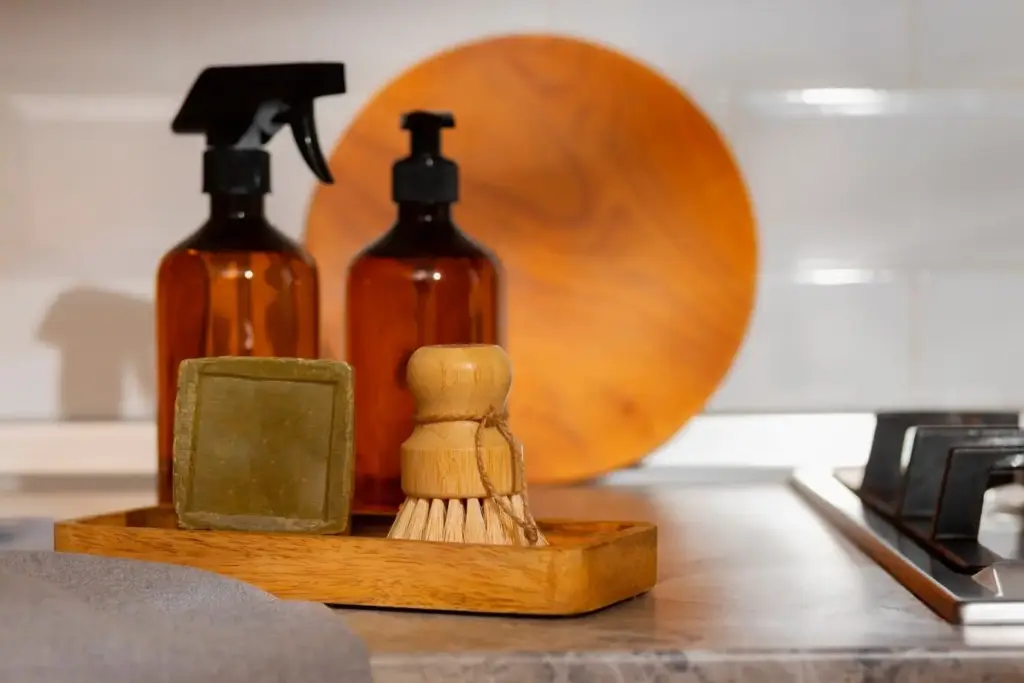
Beeswax, carnauba, shellac, and polymerized linseed oil offer warm protection without the heavy plastic feel. Apply thin coats, buff patiently, and let each layer cure fully to avoid tackiness. Repair scratches locally instead of stripping entire panels. Choose low‑VOC options, ventilate during application, and keep oiled surfaces out of harsh sun while they finish hardening.

Textiles that soften light sustainably

Opt for undyed linen, hemp, or organic cotton with tight weaves that scatter glare and shelter upholstery from bleaching. Look for certifications that limit harmful treatments. Layer sheers with heavier drapery to change protection through the day. Wash cool, line‑dry, and mend hems to extend life, keeping the fabric’s job—gentle shade and breathability—intact season after season.

Daily surface protection that still looks good

Use cork coasters, wool felt pads, and breathable slipcovers to buffer heat, moisture, and abrasion without sealing wood in plastic. Rotate table runners to even dapple marks. Ventilate cabinets that hold damp glassware. Little habits prevent rings, clouding, and sticky finishes, letting patina develop slowly and gracefully rather than in sudden, heartbreaking patches.
Spring and summer priorities
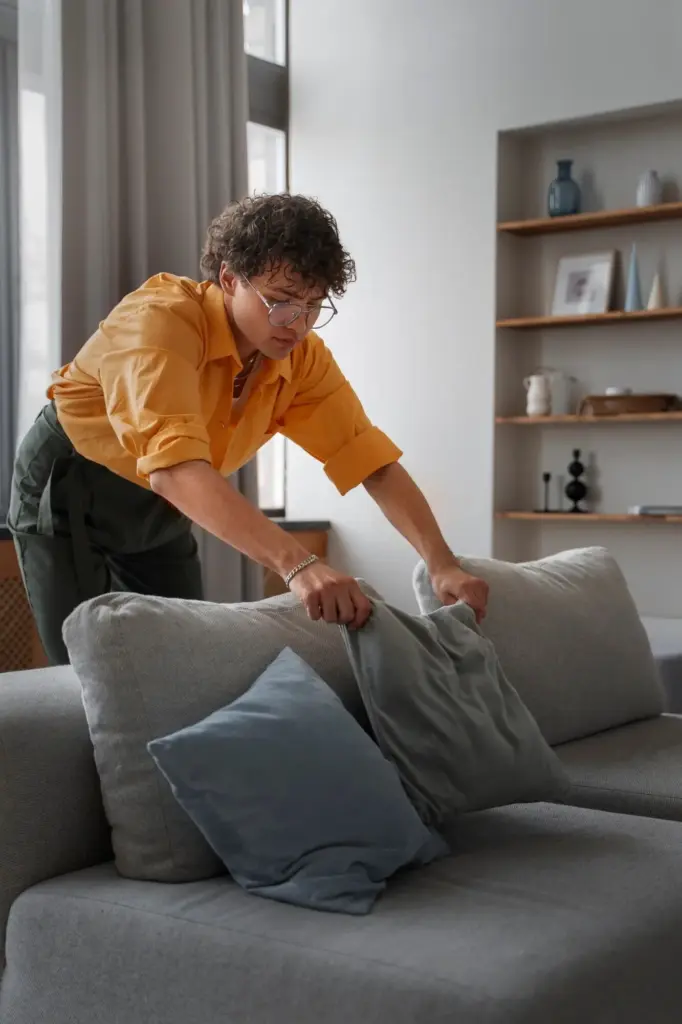
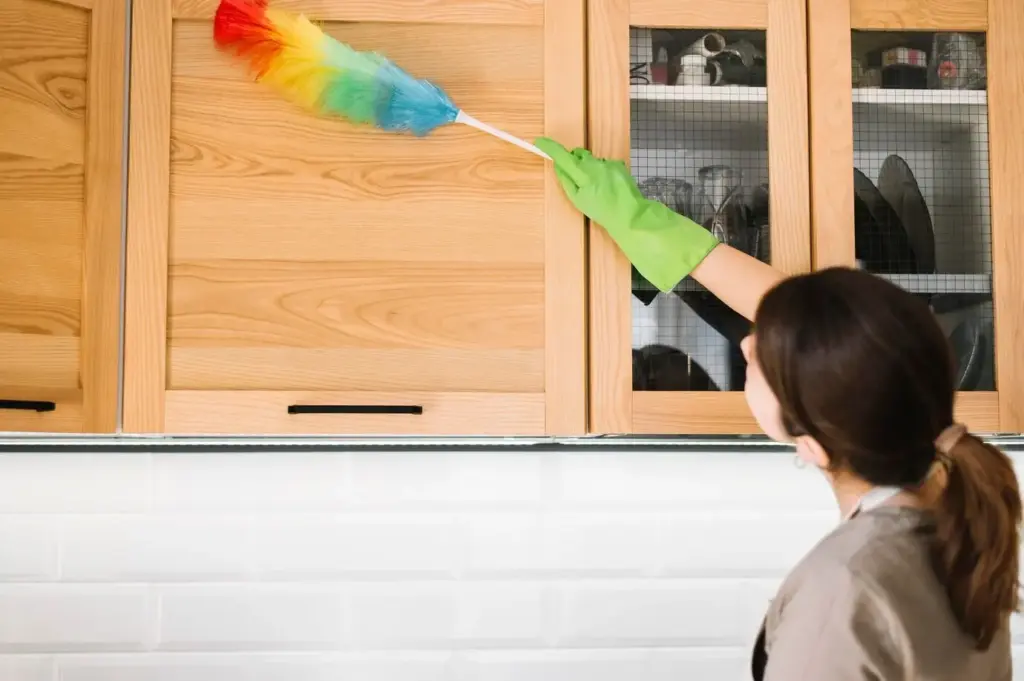
Increase shading as days lengthen, especially on east and west exposures that scorch early and late. Dust and re‑wax surfaces after pollen season. Check under planters and lamps for heat rings. Run dehumidification during sticky stretches, then air rooms deeply after evening cool‑downs. Capture notes so next year’s adjustments feel almost automatic, saving energy and effort.

Autumn and winter priorities

Shorter days invite more direct, lower‑angle sun. Add sheers in bright windows to soften glare, and consider humidification when radiators dry the air. Watch for hairline cracks at joints and tighten wobbling screws. Clean filters before holiday gatherings, and place breathable throws where guests sit, protecting delicate arms while keeping rooms cozy, bright, and welcoming.

Sunny city apartment

A south‑facing studio used sheer panels, a removable UV film, and a new habit of rotating the sofa weekly. Cushions stopped bleaching, a walnut side table kept its depth, and cooling needs dropped noticeably. The tenant shared before‑and‑after photos and meter logs, inspiring neighbors to copy the setup and split the cost of a film installer for the whole floor.

Breezy coastal cottage

Ocean air drifted through open doors, raising humidity overnight. A small dehumidifier on a smart plug now runs after sunset for two hours, guided by readings. Cushions air on a porch rack each morning. A rattan chair stopped loosening, and an oak dresser’s drawers glide again. Energy use fell because windows stay open, and the schedule is short and precise.

Repair, Reuse, and Smart Upgrades

Conservation starts with what you already own. Gentle repairs and smart retrofits extend usefulness while avoiding new manufacturing impacts. Choose upgrades that solve light and moisture problems at their source—like better seals or exterior shading—before buying more stuff. The result is calmer rooms, sturdier furniture, and satisfaction in thoughtful stewardship.

Giving old pieces a longer future

Tighten loose joints with reversible glue, replace missing felt pads, and swap failing foam for natural latex wrapped in wool. Patch water rings with gentle abrasion and fresh wax rather than sanding through finish. Add breathable liners in drawers. Preservation becomes a series of modest, repairable actions that respect craftsmanship and keep heirlooms in daily, practical use.

Choosing shade solutions with a light footprint

Evaluate the full life cycle of blinds, films, and fabrics. Favor durable hardware, recyclable materials, and repairable mechanisms over trendy disposables. Exterior awnings can cut heat gain dramatically, reducing reliance on interior fixes. When replacing windows, consider glazing that improves comfort without heavy tints, letting natural light stay cheerful while safeguarding finishes for many quiet years.

Community resources and shared tools

Borrow a moisture meter from a neighbor, trade a ladder for a spare set of curtains, or split a bulk order of felt pads with friends. Tool libraries, repair cafés, and local maker spaces turn maintenance into connection. Share results, celebrate small wins, and keep good pieces in circulation rather than landfilled or replaced prematurely.

Alerts and automations that work quietly

Set thresholds for relative humidity and lux levels, then trigger scenes that lower shades, crack a window, or nudge equipment on briefly. Keep delays and limits conservative so systems never fight you. Silent nudges protect finishes, avoid over‑drying, and free your attention for living, reading, and gathering rather than micromanaging dials.

Make meaning from your data

Graphs become more useful when tied to stories. Tag spikes with notes like heatwave, long bake, or windows left open. Compare rooms with similar exposures. Celebrate the day a stubborn drawer stopped sticking. Use these insights to tune shading, ventilation, and equipment schedules, then share screenshots in comments to help others navigate similar patterns gracefully.

Join the conversation and stay inspired

Tell us where you live, the orientation of your sunniest room, and one habit that changed everything. Post a quick photo of your favorite protected piece. Subscribe for gentle seasonal prompts and fresh field notes. Your experience—successes, stumbles, and questions—helps shape better, kinder homes for everyone who cares about longevity and low‑impact living.
Rezanofolilufevuletovo
Privacy Overview

This website uses cookies so that we can provide you with the best user experience possible. Cookie information is stored in your browser and performs functions such as recognising you when you return to our website and helping our team to understand which sections of the website you find most interesting and useful.