Breathe Easy Wood: Beauty Without Compromise
Step into a home that looks exquisite and feels refreshing every day. Today we explore non-toxic wood finishes and ongoing maintenance for healthier interiors, combining plant-based chemistry, careful application, and gentle care habits. Discover options that protect floors, furniture, and trim without harsh fumes, reduce long-term off‑gassing, and simplify future repairs. Along the way, you’ll gather practical checklists, stories from real homes, and simple routines your family can follow confidently.

What Makes a Finish Truly Safer
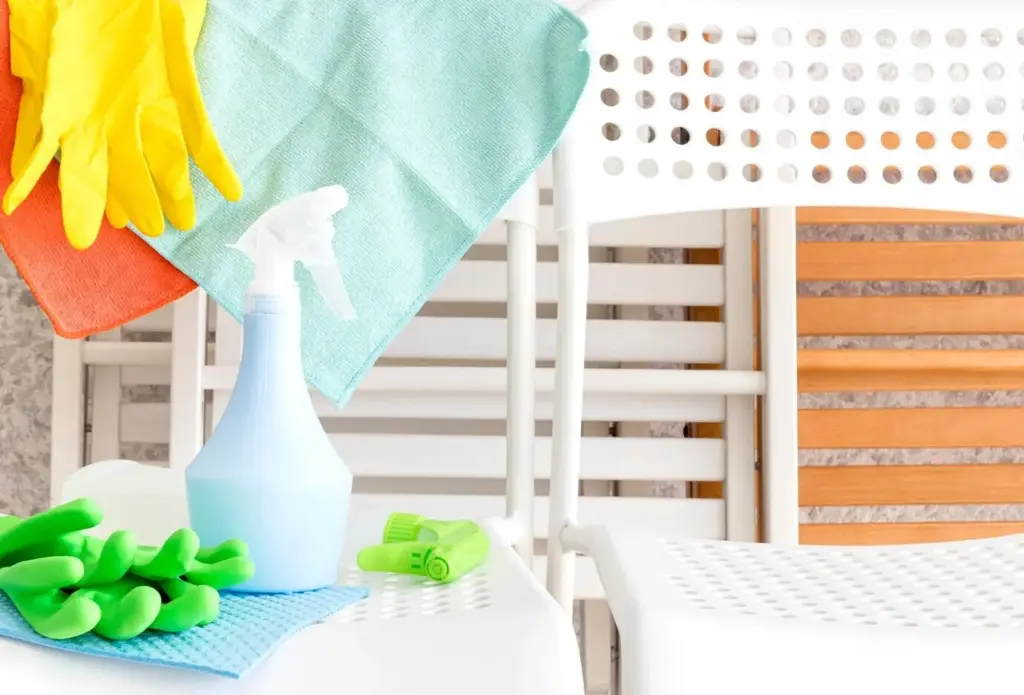
A safer wood finish is defined by low emissions during application and after curing, ingredients with transparent safety data, and a repairable film that encourages maintenance instead of replacement. We unpack labels, certifications, and chemistry in plain language, so you can compare products confidently and build a healthier indoor environment without sacrificing durability, sheen, or the tactile warmth that makes natural wood so inviting.
Room-by-Room Choices That Work
Different spaces ask different things of a finish. Kitchens face repeated cleaning and splashes, bedrooms favor whisper-quiet floors and calming scents, entries demand abrasion resistance. We guide selection by use patterns, humidity swings, sunlight exposure, and cleaning expectations, helping you align beauty, safety, and upkeep with real routines.
Clean Application, Cleaner Air
Preparation and technique determine most of what you breathe. By reducing dust, choosing low-odor products, and managing ventilation intelligently, you dramatically cut exposure during application and curing. These methods preserve finish integrity while keeping living spaces comfortable, proving that craftsmanship and indoor health strengthen each other rather than compete.
Maintenance That Preserves Health and Luster
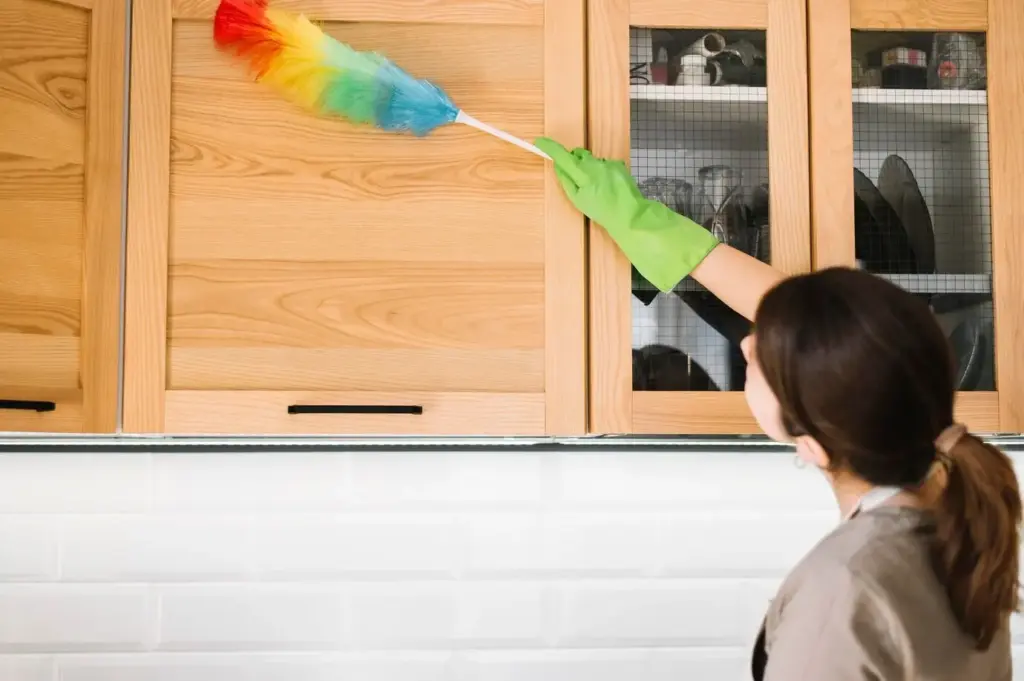
Thoughtful upkeep reduces chemical demand over years, because surfaces stay protected without aggressive stripping. Using pH-neutral soaps, soft pads, and timely refresh coats, you extend service life and save money. These simple routines minimize dust, prevent slippery build-up, and keep tactile warmth intact for bare feet, paws, and play.

Stories From Homes That Chose Safer
Real experiences help separate marketing from meaningful results. These short case studies highlight choices, mistakes, and fixes, revealing how families balanced schedules, budgets, and sensitivities. Borrow their tricks, adapt timelines to your climate, and share your outcomes in the comments so others learn faster and breathe easier together.
A Nursery Floor That Welcomed Sleep
Two new parents sanded a spare room, choosing a plant-based hardwax oil after test patches proved gentle on their noses. They cured for ten days with cross-breeze and purifiers, then installed cotton curtains. The result felt warm, smelled neutral, and their baby started napping longer within the first week.
A Contractor’s Switch to Hardwax Oil
After years of solvent-based varnish, a veteran installer trialed hardwax oil in busy apartments. He documented reduced complaints about smell, quicker re-occupancy, and easier spot fixes between tenants. The finish wore beautifully with soap care, and his crew reported fewer headaches, better focus, and happier clients recommending maintenance packages.

Tools, Safety, and Responsible Disposal
Choosing the right tools reduces mistakes and exposure, while smart storage prevents accidents. From microfiber pads and low-shed rollers to HEPA vacuums and carbon filters, each item supports cleaner work. Learn safe rag handling, local disposal rules, and donation options to keep leftover materials useful and out of landfills.
All Rights Reserved.