Sunlight, Humidity, and Furniture That Lasts




Light, Moisture, and the Living Home
Gentle Daylight Without the Damage
Films and glazing that filter UV
Layered shading with blinds and curtains
Placement, rotation, and thoughtful shadows

Balanced Air, Happier Materials
Measure what matters
Place hygrometers on different levels and near problem spots, logging morning and evening readings for a few weeks. You’ll see rhythms tied to showers, cooking, and weather. Aim for a calm middle band rather than chasing perfection, and let this simple data guide when to ventilate, humidify, or pause entirely.
Passive ways to temper humidity
Cross‑ventilate on mild days, drying steamy rooms with a short, purposeful burst rather than hours of fan noise. Cluster thirsty plants away from delicate veneers. Use breathable rugs and lift seat cushions to air out frames. Bowls of rock salt or repurposed desiccant near closed cabinets can help gently, while avoiding sealed plastic containers that trap moisture against finishes.
Efficient equipment and upkeep
When outdoor swings are extreme, choose Energy Star dehumidifiers sized to the room, and run humidifiers with distilled water to protect finishes from mineral dust. Clean filters, empty tanks, and set timers thoughtfully. Equipment should support comfort goals, not dominate them—turn things off when readings settle and windows invite fresh breezes.
Natural finishes that shield and breathe
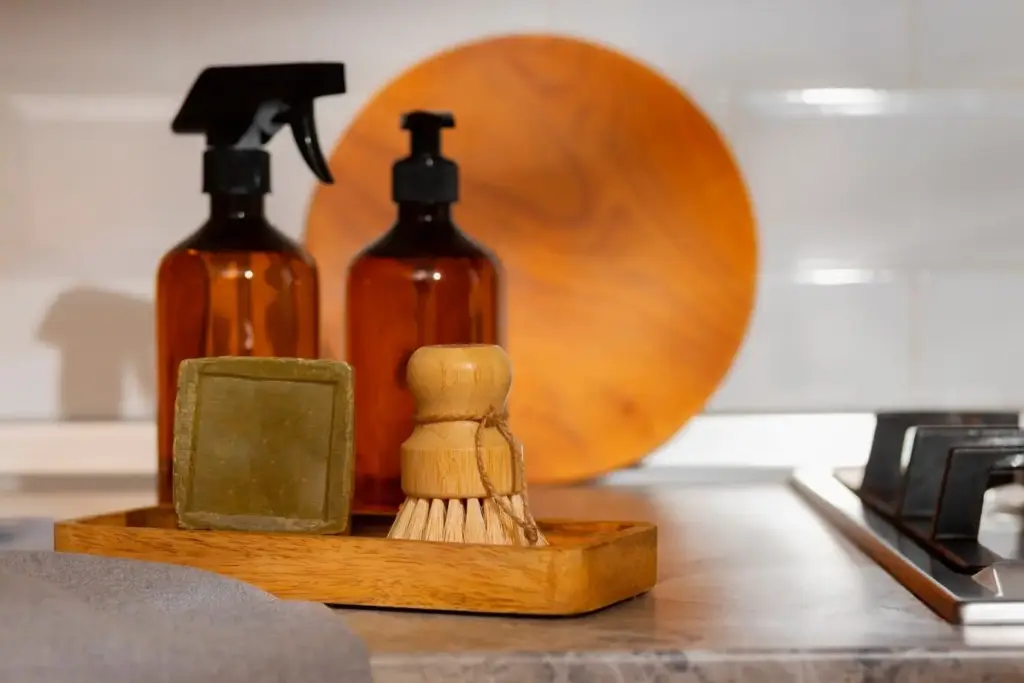
Beeswax, carnauba, shellac, and polymerized linseed oil offer warm protection without the heavy plastic feel. Apply thin coats, buff patiently, and let each layer cure fully to avoid tackiness. Repair scratches locally instead of stripping entire panels. Choose low‑VOC options, ventilate during application, and keep oiled surfaces out of harsh sun while they finish hardening.
Textiles that soften light sustainably
Opt for undyed linen, hemp, or organic cotton with tight weaves that scatter glare and shelter upholstery from bleaching. Look for certifications that limit harmful treatments. Layer sheers with heavier drapery to change protection through the day. Wash cool, line‑dry, and mend hems to extend life, keeping the fabric’s job—gentle shade and breathability—intact season after season.
Daily surface protection that still looks good
Use cork coasters, wool felt pads, and breathable slipcovers to buffer heat, moisture, and abrasion without sealing wood in plastic. Rotate table runners to even dapple marks. Ventilate cabinets that hold damp glassware. Little habits prevent rings, clouding, and sticky finishes, letting patina develop slowly and gracefully rather than in sudden, heartbreaking patches.
Spring and summer priorities
Autumn and winter priorities
Sunny city apartment
Breezy coastal cottage
Repair, Reuse, and Smart Upgrades
Giving old pieces a longer future
Choosing shade solutions with a light footprint
Community resources and shared tools
Alerts and automations that work quietly
Make meaning from your data
Join the conversation and stay inspired
All Rights Reserved.